
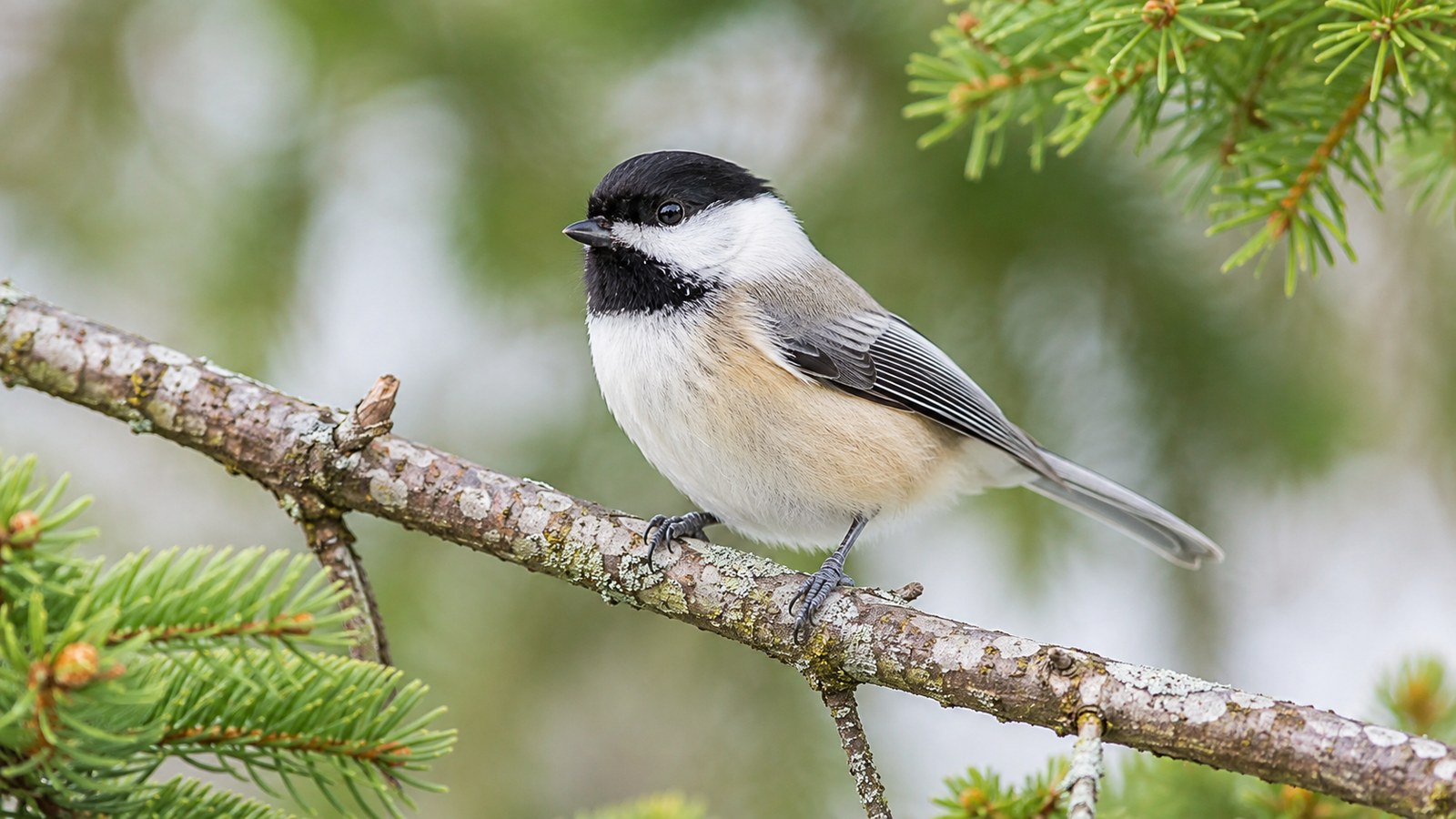
Where is a bird's knee?
Start at the body and work downward. A bird has a femur, or thigh bone, just as we do. The knee is the joint between that femur and the lower part of the leg.
The surprise is its location. The femur is held mostly inside the bird’s body outline and covered by feathers, so the knee sits much higher than most people expect.
On a robin standing on your lawn, you probably cannot see the knee at all.
What is the joint that bends backward?
That obvious angular joint partway down a bird’s leg is the ankle region, not the knee. Anatomists call the main joint there the intertarsal joint.
Below it is a long bone called the tarsometatarsus, formed from fused bones that correspond to parts of the ankle and foot. Then come the toes.
Once you know that, the whole leg suddenly makes more sense. The bird is not walking around with a backward knee. You were looking at the wrong joint.
Do bird knees bend backward?
No. A bird’s true knee bends in the same basic direction as ours.
The ankle bends in the opposite-looking direction, which creates the familiar zigzag shape. Dogs, cats, horses, and many other animals can create similar confusion because their heels are raised off the ground too.
Our human habit of standing flat-footed makes other leg designs look stranger than they really are.
Do birds stand on their toes?
Yes. Birds are digitigrade, which means they support their weight on their toes rather than putting the whole foot flat on the ground.
The long section above the toes that looks like a shin is largely part of the foot. The heel is well above the ground.
So a bird perched on a branch is doing something closer to standing on its toes than standing flat-footed like we do.
Why are bird legs built this way?
There is no single bird-leg design because birds walk, swim, run, climb, perch, hop, wade, and grab prey in very different ways. Still, the basic arrangement gives them long functional legs without carrying a bulky thigh outside the body.
Keeping the heavier upper-leg muscles closer to the body also concentrates mass near the bird’s centre. The lower exposed leg can remain relatively light.
Then evolution modifies the same basic plan. A heron gets long wading legs. A hawk gets powerful feet and talons. A woodpecker gets toes arranged for gripping bark.
Why do bird legs look so skinny?
Partly because much of what you can see is bone, tendon, scales, skin, and relatively little bulky muscle. The large muscles that move the lower leg and toes are often positioned higher up.
Long tendons carry those forces down toward the feet. That helps explain how a tiny songbird can grip a branch so firmly without having thick calf muscles running all the way down the leg.
Skinny-looking does not mean weak.
How can birds perch without falling off?
Bird feet and tendons are extremely well suited to gripping. In many perching birds, bending the leg and settling onto a branch helps tension the toe flexor tendons, allowing the toes to curl around the perch.
The exact mechanics vary by bird group, so the old claim that every bird has a single automatic “locking” mechanism is too simple. Still, anatomy does reduce the effort needed to hold a perch.
That is handy when a bird spends hours sleeping on a branch. See where birds sleep at night for more on nighttime roosting.
Why do birds stand on one leg?
Now the hidden-knee anatomy becomes easier to picture. Birds can fold one leg upward and tuck the foot into their belly feathers, often conserving heat while resting.
Some species also have postures that require very little muscular effort. Flamingos are the famous example, but plenty of backyard birds balance on one leg too.
There is more to it than one simple explanation, which is why we have a separate page on why birds stand on one leg.
Do all birds have the same kind of knees?
The basic knee joint is shared across birds, but details vary. Leg proportions, kneecap anatomy, tendons, and muscle arrangements can be quite different between an ostrich, hummingbird, loon, owl, and sparrow.
Flightless birds are especially interesting because their legs take on more of the work of moving the animal. Ostriches, for example, have extreme running adaptations that look nothing like the tiny legs of a chickadee.
Why do flamingo legs look especially strange?
Flamingos make the ankle-versus-knee confusion easy to see because their legs are so long and exposed. The prominent bend halfway down is still the ankle region. The knee is much higher, near the body.
One-legged resting has also been studied. In some birds, the joints can support the body with very little muscle effort once the leg is in the right position.
Odd-looking to us. Perfectly normal for a flamingo.
Frequently asked questions
Do birds have knees?
Yes. Their knees sit high on the legs and are often hidden by feathers.
Are bird knees backwards?
No. The joint that appears to bend backward is the ankle region. The true knee bends forward in the same basic direction as a human knee.
Where is a bird's ankle?
The obvious bend in the exposed lower leg is the ankle region. The bird’s heel is raised well above the ground.
Are birds walking on their toes?
Yes. Birds are digitigrade and support themselves on their toes.
Keep following the question
Once you notice bird anatomy, ordinary behaviour starts making more sense. Read why birds stand on one leg, why birds hop, or return to the Bird Facts hub.