
Light changes the bird’s body
As day length changes, hormones and internal biological rhythms shift. Migrants may eat more, store fat, and become restless. These changes can begin even when the weather still feels like summer.
Inherited timing guides first-year birds
A young Ruby-throated Hummingbird can begin its first southbound migration without following a parent. Inherited behavior helps set the season, direction, and rough distance.
Weather chooses the departure window
Once ready, birds often wait for useful conditions. A tailwind may help launch a large migration, while headwinds, storms, or heavy rain can keep birds grounded. Weather changes the day of departure more than the overall seasonal need to move.
Food can speed up or slow down a stop
Migrants need energy. A bird may remain where food is abundant, then leave after refueling or when supplies decline. At stopovers, food and weather help determine when the next flight begins.
Spring and fall are not identical
Spring migrants often face pressure to reach breeding areas and claim territories. Fall movement may be spread over a longer period. Age, sex, breeding success, and species all affect timing.
Different populations follow different schedules
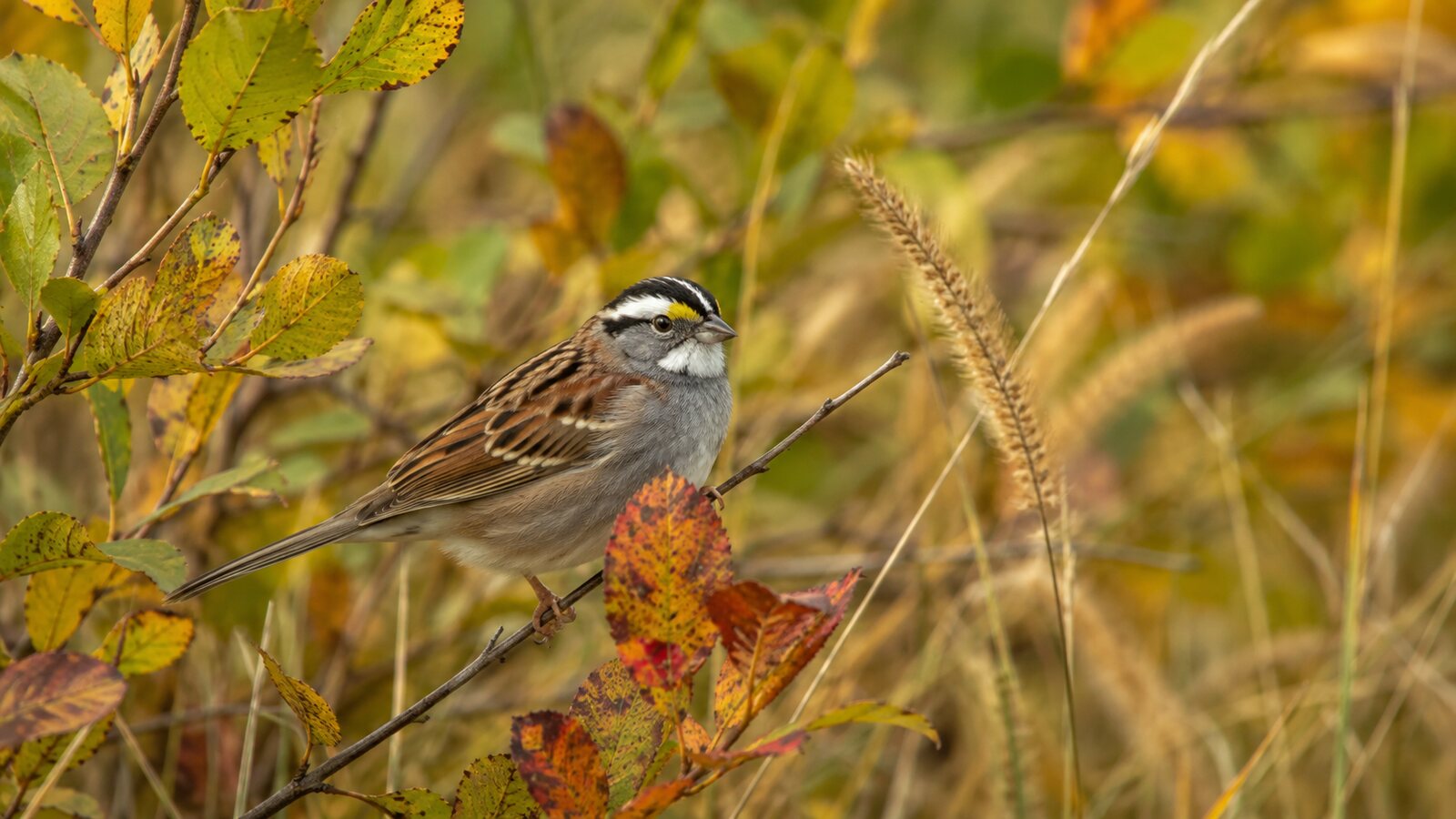
White-throated Sparrows appear and disappear at different dates across their broad range. Eastern Phoebes may arrive early in spring compared with many insect-eating songbirds.
Timing answers when the trip begins. Read why birds migrate and how they find the route for the rest of the story.
Frequently asked questions
Does weather tell birds when to migrate?
Weather helps choose a departure window, but daylight and internal rhythms prepare the bird first.
Do young birds know when to migrate?
Many inherit seasonal timing and restlessness that guide their first trip.
Can warm weather delay fall migration?
It may adjust timing for some birds, especially when food remains plentiful, but it does not erase the seasonal program.