
Sprouting begins with food birds don’t finish
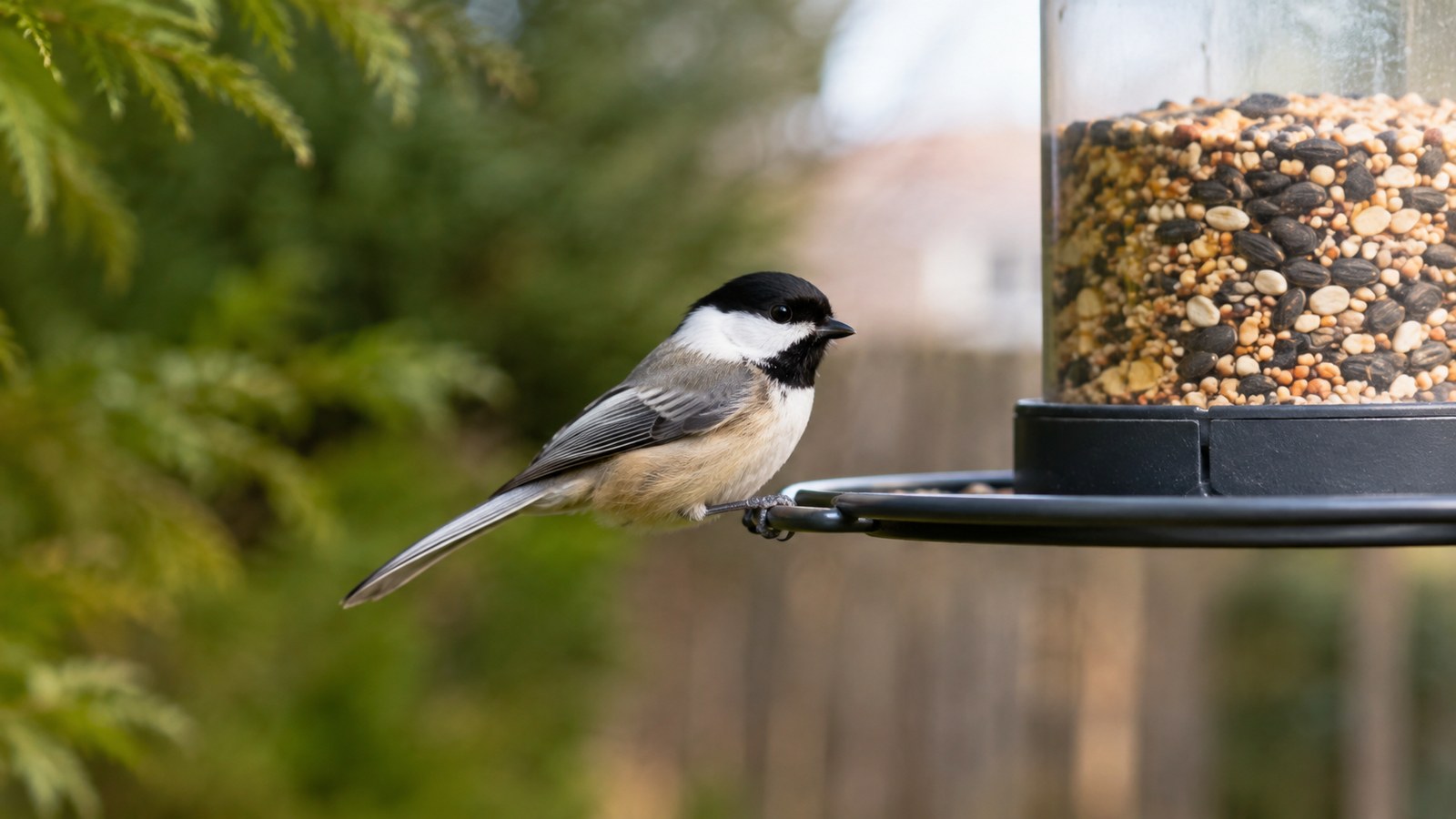
Birds aren’t neat eaters. They drop seed while opening shells and toss unwanted ingredients aside while searching for favourites. When whole seed lands on damp soil, it may germinate and create a patch of grass-like shoots, sunflowers, millet, or other plants.
A few seedlings are harmless, but a thick mat can look untidy and make it harder to remove old food and droppings. The best solution is to prevent waste rather than repeatedly pulling plants after they appear.
Choose seed birds are likely to eat
Low-cost mixtures sometimes contain large amounts of ingredients that local birds ignore. Those seeds are pushed out of the feeder and become the next crop underneath it. Watch what falls for a week. If the same seed remains untouched, change the mixture.
Our guide to the best birdseed for backyard birds explains the strongest starting options. Black-oil sunflower is a reliable all-around option, while a blend should be judged by how little is wasted in your own yard.
Hulled seed creates less mess
Sunflower hearts and chips have already had the outer shell removed. Birds can eat them without dropping hulls, and the exposed kernels are far less likely to establish seedlings. No-shell mixes may also contain shelled peanuts, millet pieces, or other prepared foods.
The trade-off is price and freshness. Hulled food absorbs moisture more easily and can spoil faster. Use a feeder that drains well, offer a small amount, and keep the rest in a cool, dry container.
Offer less food at one time
A feeder doesn’t need to remain filled to the top. When food sits for a long time, birds may sort through it, rain may reach it, and old seed can collect beneath new seed. Fill with an amount the birds finish in a few days.
Small refills also help you notice changes in appetite. When activity drops because of migration, natural food, or weather, you can reduce the amount before waste accumulates.
Add a properly sized seed tray
A tray below the feeder catches falling seed and hulls before they reach the ground. Make it wide enough to catch most of the spill, but not so large that it turns into a platform for unwanted animals or a tray of rainwater.
Choose a tray with drainage and a surface that can be removed or wiped clean. Empty it often. A tray full of damp seed simply moves the problem a few feet higher.
Adjust the feeder openings
Some birds toss seed because the ports release more than they can handle. A feeder with openings matched to the food reduces spills. Fine seed such as nyjer needs very small ports, while peanuts need a mesh or opening designed for larger pieces.
Check for cracks, bent parts, or loose bases that allow food to leak. A worn feeder may waste more seed than the birds do.
Choose a surface that’s easy to clean
Feeding above a patio, deck, or other sweepable surface makes regular cleanup straightforward. A removable outdoor mat or purpose-built catch area can also work when it’s kept dry and washed regularly.
Gravel can hide seed and droppings, so it’s not automatically maintenance-free. Soil and lawn allow quick germination during wet weather. Whatever surface you choose, make sure you can remove old material rather than letting it build up.
Move the feeder before one patch becomes overloaded
Occasionally moving a freestanding feeder can spread light wear rather than concentrating every hull and seed in one place. Move it only to another safe location with suitable cover, window awareness, and easy access.
Don’t use movement as a substitute for cleaning. Old seed should still be removed from the previous spot. Our feeder placement guide can help you evaluate the new location.
Sweep or rake on a regular schedule
Don’t wait until seedlings are several inches tall. Sweep hard surfaces and rake soil or lawn beneath the feeder before rain presses seed into the ground. During busy feeding periods, this may be needed every few days.
Place the collected material in household waste or another disposal method accepted in your area. Don’t move damp, mouldy, or heavily soiled seed to another part of the yard where wildlife can reach it.
Remove new seedlings early
Young sprouts are easier to pull than mature plants. Loosen damp soil, remove the roots, and collect any remaining whole seed at the same time. A hand cultivator can help in a small bed, while a rake may be enough in loose soil.
Robin and I prefer this simple approach because it keeps the feeding area easy to inspect. A clean patch makes dropped food, droppings, and any signs of rodents much easier to notice.
Avoid herbicides and homemade weed killers
Don’t spray herbicide, salt, vinegar mixtures, or other weed-killing products around an active bird-feeding area. Birds feed directly on the ground, pets may investigate, and runoff can affect nearby plants and soil.
Prevention and physical cleanup solve the cause of the problem. If a heavily overgrown area needs broader treatment, remove the feeder and consult safe local garden guidance before returning food to that location.
Don’t let the ground become a second feeder
Some ground-feeding birds will eat seed below a feeder, but a deep layer of leftovers isn’t the same as a planned ground-feeding station. Old food can become wet, mix with droppings, and attract rodents.
When you intentionally feed on the ground, offer a small amount in a clean, defined area and remove what remains. A low washable tray gives you more control.
Check whether squirrels are creating the mess
Squirrels may shake a feeder, pry at openings, or scatter food while searching for preferred pieces. A stable pole, suitable baffle, and feeder in good repair can reduce the amount dumped onto the ground.
Avoid sharp, sticky, greasy, or unstable deterrents. Use equipment intended to exclude squirrels without hurting them or the birds.
Keep the feeder dry
Wet food is more likely to clump, spoil, and fall in heavy pieces. Clear drainage holes and consider a weather guard where rain frequently reaches the feeder. Don’t place it beneath roof runoff.
Empty damp seed instead of allowing it to dry inside the feeder. Once it reaches the ground, wet whole seed has exactly the conditions it needs to sprout.
A low-waste setup
| Problem | Best first step |
|---|---|
| Many intact seeds below the feeder | Change to food local birds eat and remove filler-heavy mixtures. |
| Sunflower shells covering the ground | Try sunflower hearts or add a wide, washable seed tray. |
| Seed leaking without birds present | Inspect the base, ports, and fittings for damage or openings that are too large. |
| Sprouts appearing after rain | Rake more often and reduce the amount offered before wet weather. |
| Ground is hard to clean | Move the feeder to a safe location above a sweepable surface. |
A weekly prevention routine
- Check what food is being discarded.
- Empty and clean the seed tray.
- Sweep or rake the ground below.
- Pull any young seedlings.
- Inspect the feeder for leaking food.
- Reduce the next refill when leftovers remain.
- Clean the full feeder on its regular schedule.
Frequently asked questions
Why does birdseed sprout under a feeder?
Whole seeds fall or are tossed aside, then receive enough moisture and soil contact to germinate. Cheap mixtures can make the problem worse when birds discard ingredients they don’t prefer.
What birdseed is least likely to sprout?
Hulled sunflower hearts and no-shell blends greatly reduce sprouting because the protective hull has been removed and birds tend to eat more of the food.
Will a seed tray stop every seed from falling?
No, but a wide, easy-to-clean tray can catch a large share of dropped food and hulls when it’s matched to the feeder.
Should I use weed killer below a bird feeder?
Avoid herbicides and homemade weed-killing mixtures around an active feeding area. Prevention, hand removal, sweeping, raking, and changing the surface are safer choices.