
Why can’t birds just repair damaged feathers?
A mature feather is made mostly of keratin. Once it has finished growing, it no longer has living tissue running through the exposed part.
That is great for keeping feathers light. It also means a frayed edge does not grow back together.
Birds can maintain feathers by preening, realigning tiny hooks in the feather surface and removing dirt. But there is a limit. Eventually the whole feather has to be replaced.
That is the basic reason birds molt.
What actually happens during a molt?
An old feather is shed and a new one begins growing from the same follicle in the skin. The new feather develops inside a protective sheath before opening into its full shape.
Most birds do not drop every feather on the same day. The narrower guide explains how birds keep enough feathers to function during molt and why many waterfowl are an exception.
Instead, feather replacement is usually organized. Wing feathers often change in a sequence, and the same general pattern may happen on both wings so the bird stays reasonably balanced in flight.
When do birds molt?
There is no single month for every species. The focused guide to when birds molt compares after-breeding, prebreeding, juvenile, and migration-related timing.
Many familiar North American songbirds go through a major molt after the nesting season. Breeding is finished, young birds are becoming independent, and there may still be plenty of food around to support the energy cost of growing new feathers.
That timing also puts fresh plumage on many migrants before their long seasonal trip.
Other species follow different schedules. Some replace part of their plumage before breeding. Large birds can take much longer to replace all their flight feathers. A few species even travel to a particular area mainly to molt.
How often do birds molt?
Many species have one complete molt each year. Others have a complete molt plus a smaller partial molt.
A partial molt may replace body feathers while leaving the long wing and tail feathers in place. That can produce a seasonal colour change without rebuilding the entire flight system.
Large birds may replace their biggest flight feathers over more than one year because those feathers are expensive to grow.
Why do birds sometimes look patchy?
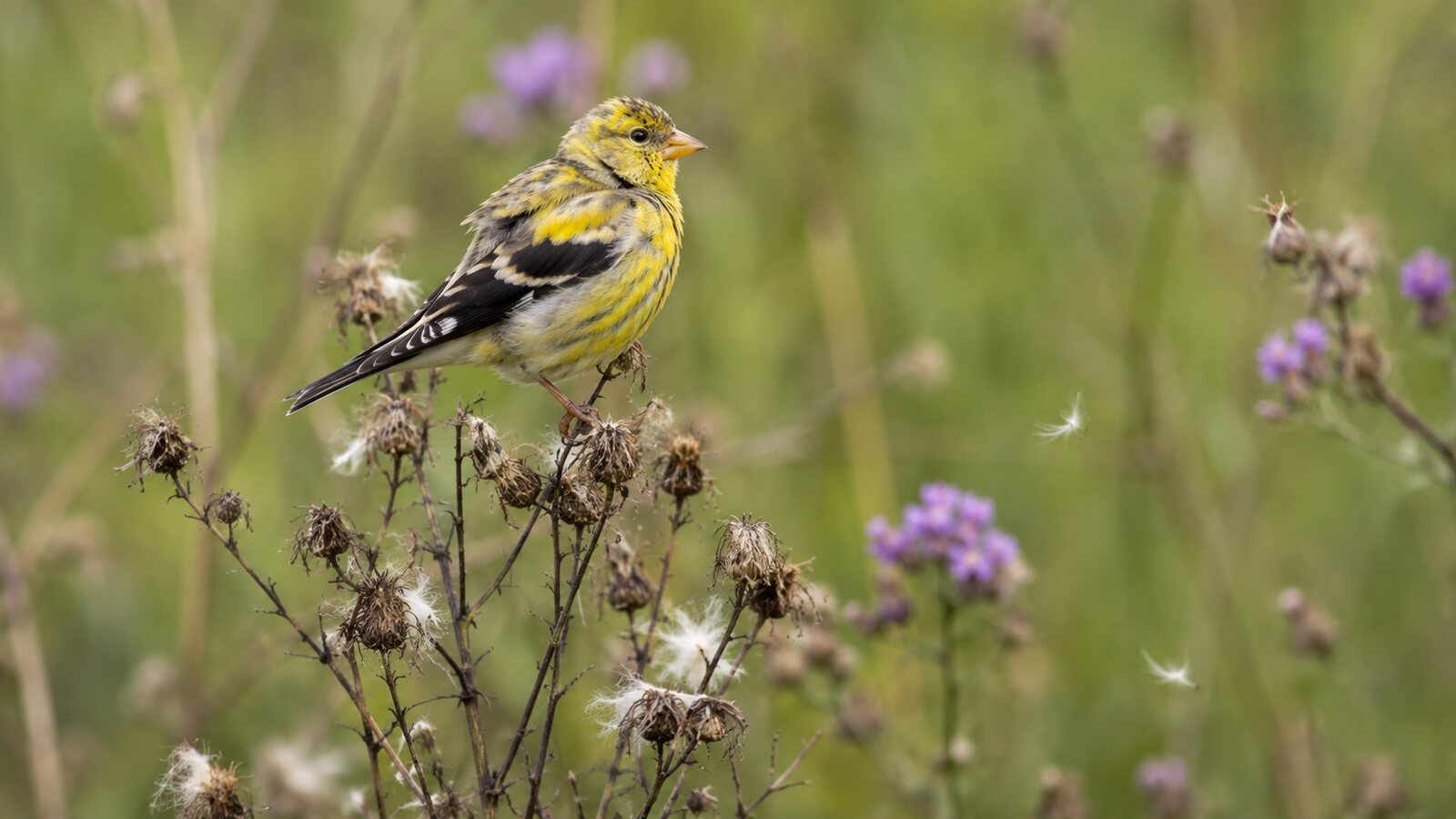
New and old feathers can sit beside each other for weeks. The fresh ones may be darker, smoother, and less faded. Old feathers can look pale, frayed, or uneven.
That can make a familiar bird look surprisingly messy.
It also explains why identification gets trickier at certain times of year. A bird in transition may not match the clean adult picture in a field guide.
Our why the same bird can look different page covers age, sex, season, feather wear, and lighting too.
Why do some cardinals and jays look bald?
This catches people off guard. A Northern Cardinal or Blue Jay can appear with a bare-looking head and still be going through a normal molt.
Most feather replacement is gradual, but some individuals lose many head feathers close together. For a short period, the dark skin underneath is easy to see.
New feathers usually follow.
A bald bird is not automatically a sick bird, although feather loss can also have other causes. Context matters.
Can birds fly while molting?
Most can.
The orderly replacement of flight feathers helps preserve enough wing area for normal movement. A molting bird may be less powerful or less agile for a while, but it is not usually grounded.
Ducks and some other waterfowl are different. Certain species replace their main flight feathers at roughly the same time and become temporarily flightless.
That is one reason they can become especially secretive during that stage.
Does molting take a lot of energy?
Yes. Growing a large amount of new keratin takes protein and energy.
Birds also have to manage that cost around other demanding parts of the year. Nesting, migration, cold weather, and molt can all be expensive.
Nature does not arrange those jobs exactly the same way for every bird, but the timing is rarely random.
Does molt change a bird’s colour?
It can.
American Goldfinches are an easy example. Males look bright yellow during the breeding season and much duller later in the year. Feather replacement is part of that seasonal change.
Other species change more subtly. Sometimes the colour difference comes from new feathers. Sometimes feather tips wear away and reveal colours that were already underneath.
So a bird does not always need to grow an entirely different colour to look different a few months later.
Do feathers grow back if a bird loses one?
Often, yes.
If an entire feather is lost, a replacement can begin growing rather than waiting for the next normal molt. Damage to a feather that remains attached is different. That worn feather may stay that way until it is shed.
This is another reason preening can maintain feathers but cannot truly repair a broken one.
Can you tell a bird’s age from molt?
Sometimes.
Bird banders and experienced birders can use differences between old and new feathers, known as molt limits, to estimate age in certain species.
You do not need that level of detail to enjoy watching molt, though. Just noticing fresh feathers beside faded ones can tell you that the bird in front of you is in the middle of a seasonal change.
Frequently asked questions
Why do birds molt?
They molt to replace worn, damaged, or seasonally inappropriate feathers with new ones.
Is molting normal?
Yes. All birds replace feathers. The timing and pattern vary widely among species.
Do birds molt every year?
Many do a complete molt yearly. Some have additional partial molts, while large species may spread flight-feather replacement over longer periods.
Are birds quieter while molting?
Some can be. After breeding, certain birds become less vocal and more secretive while they replace feathers and avoid drawing attention to themselves.
Keep following the question
Feathers connect to almost everything a bird does. Read why birds have feathers, see why birds preen their feathers, or use the Identify Birds hub when seasonal plumage looks unfamiliar.