
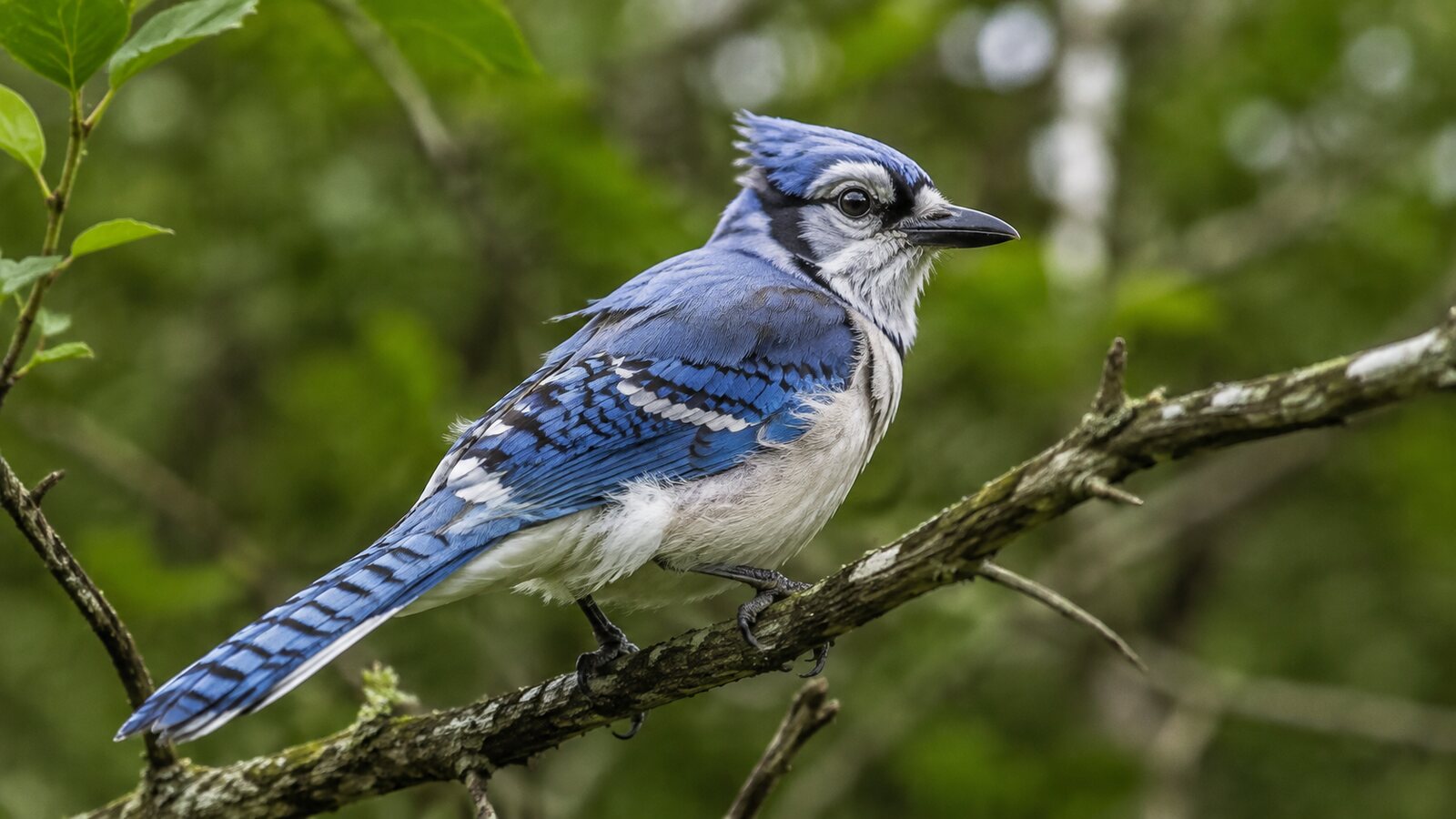
How birds keep flying during molt
Many birds replace the large wing feathers one or a few at a time. The sequence often progresses in a balanced way across both wings, leaving enough working surface for flight.
A bird may be less agile while important feathers grow, but most songbirds, raptors, and shorebirds continue normal daily movement.
Why some ducks become flightless
Many ducks, geese, and other water birds use a different strategy. They may shed the main flight feathers at about the same time and become temporarily unable to fly.
Water provides another way to escape danger, and these birds often stay quiet in sheltered wetlands until the new wing feathers grow. Male Mallards also enter a duller eclipse plumage during this part of the yearly cycle.
This exception is important: most birds do not become flightless, but some groups regularly do.
Why can a molting bird look patchy?
New feathers grow beside old ones. Fresh plumage may be darker or smoother, while older feathers look faded and frayed. Growing feathers can remain inside pale sheaths before opening.
Together, these stages may create an uneven or scruffy look. Normal molt should not be described as disease just because the bird does not match a perfect field-guide picture.
Can cardinals and jays look bald?
Some Northern Cardinals and Blue Jays lose many head feathers close together. The temporary bare-looking head can be startling, but new feathers often appear soon afterward.
Baldness can have other causes, so watch the whole bird. Poor balance, trouble flying, wounds, or lasting feather loss call for more caution than an otherwise active bird in seasonal molt.
Do tail feathers fall out together?
Usually they are replaced in a sequence, but accidents, stress, or a species' normal molt pattern can cause several to be lost close together. A bird with a short-looking tail can still fly, though steering may be less precise until the feathers return.
How long do new feathers take to grow?
Growth rate varies with feather size, species, age, health, and food. Small body feathers can finish sooner than long wing or tail feathers. A complete molt may take weeks or months.
See when birds molt for the way timing fits around breeding and migration.
Can you identify a bird during molt?
Yes, but do not depend on one color patch. Check shape, bill, size, movement, voice, habitat, location, and season. The Identify Birds hub shows how to let several clues agree.
Breeding and nonbreeding plumage can also differ. Read how birds see color and why males are brighter in some species.
Frequently asked questions
Do birds lose all their feathers at once?
Most do not. Gradual replacement lets them keep flying and maintain insulation and protection.
Can birds fly while molting?
Most can. Many ducks and some other water birds are important exceptions because their main wing feathers molt together.
Why does a molting bird look scruffy?
Old feathers, fresh feathers, and growing sheaths can sit together for a while and make the plumage look uneven.
More about new feathers
Start with why birds molt, then see how preening keeps the current feathers aligned and clean.