
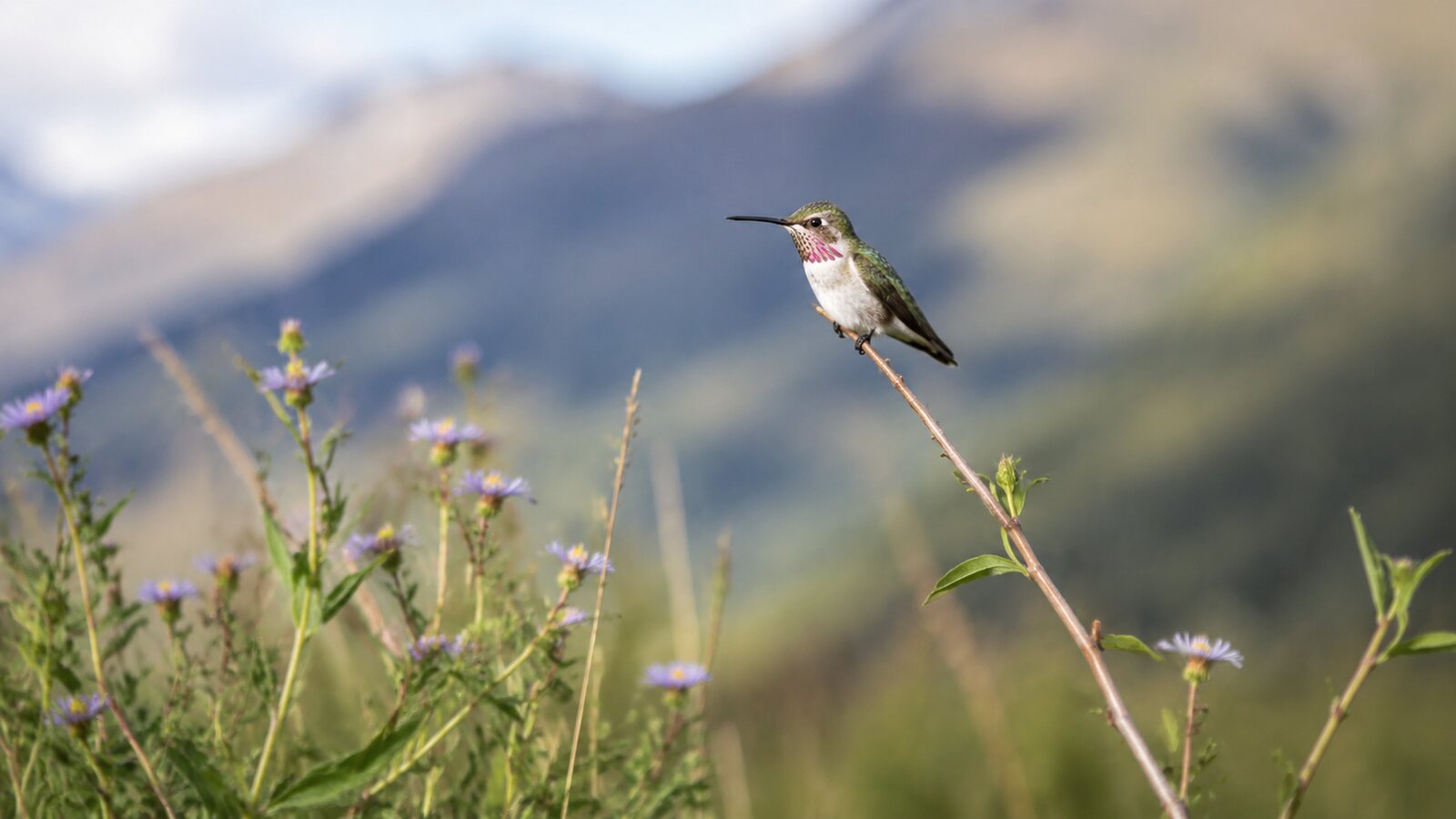
What does a bird stretch look like?
There is more than one version.
The one I notice most is the sideways stretch. The bird leans slightly, opens one wing, and extends the leg on that same side backward. It may hold the pose for a moment, fold everything back in, then stretch the other side.
Birds can also lift both wings, extend them downward, reach a leg behind the body, or stretch the neck and bill.
It is not always dramatic. Sometimes it is over before you have fully noticed it.
Why do birds stretch after resting?
Stretching often appears when a bird changes from being still to being active.
That is familiar to us. Muscles and joints have spent time in one position, then the body begins moving through a larger range again.
Scientists do not need to assign a complicated purpose to every stretch. In many cases, it appears to be ordinary comfort behaviour associated with waking, resting, and preparing to move.
Do birds stretch before they fly?
They can.
Audubon has described American Avocets using a two-wing stretch that can function as an “intention movement,” appearing before takeoff. The same birds also stretch simply for comfort.
That distinction is worth remembering.
A movement can have more than one role. A stretch may loosen the body after rest, and in another situation it can be part of the transition into flight.
Why do birds stretch one wing and one leg?
That paired stretch lets a bird extend a large part of one side of the body at once.
The wing opens, the leg reaches back, and the bird shifts its balance onto the other foot. Afterward, it may switch sides.
If you are learning to identify birds by behaviour, this is one of those little movements that becomes easy to recognize once you have seen it a few times.
Does stretching help keep feathers in place?
Stretching moves the wings and body, but feather maintenance is more directly handled by behaviours such as preening and rousing.
During a rouse, a bird raises and shakes its feathers, which helps settle them back into position. Preening uses the bill to clean and realign individual feathers.
Those behaviours can happen around the same time as stretching, especially after rest or bathing.
See why do birds preen? for the feather-care side of the story.
Can birds copy each other's stretches?
Budgerigars can, at least under experimental conditions.
An observational study found that yawning and stretching tended to cluster in time within a flock. Later experimental work found stronger evidence for contagious stretching, particularly between familiar cage mates.
That does not mean every robin on a lawn is copying the stretch of the bird beside it.
It does show that a simple body movement can have a social component in at least some species.
Do birds yawn when they stretch?
Sometimes the two behaviours appear close together.
Researchers studying budgerigars have looked at yawning and stretching as related changes in behavioural state. Both can occur around transitions between rest and activity, although they are separate movements.
If the wide-open bill catches your attention first, see do birds yawn?.
Is stretching a sign that a bird is relaxed?
Often, but not always.
A bird stretching on a comfortable perch may simply be going through normal maintenance and movement. A stretch can also come just before flight, including when a bird has been disturbed.
Read the whole bird, not one motion.
Posture, alertness, calling, feather position, and what happens immediately afterward can tell you more than the stretch alone.
Why do birds stretch their necks?
A stretched neck is not always a stretch. Birds also extend the neck to look over plants, swallow, call, display, threaten, or reach for food.
A heron extending its neck while hunting is doing something quite different from a sleepy songbird making a brief comfort stretch.
Frequently asked questions
Do birds stretch every day?
Many birds stretch regularly as part of ordinary behaviour, although how often you notice it depends on the species and what the bird is doing.
Why does a bird stick one leg behind it?
It may be stretching. Birds commonly extend one leg backward, sometimes along with the wing on the same side.
Why does a bird raise both wings over its back?
It may be stretching, drying, sunning, displaying, or preparing to move. Context and species make a big difference.
Is stretching the same as sunning?
No. Sunning usually involves holding the wings and feathers in positions that expose more plumage or skin to sunlight. Read why do birds sunbathe? for that behaviour.
Keep following the question
Once you start noticing stretches, other small movements stand out too. Continue with do birds yawn?, why do birds spread their wings?, or return to Bird Facts.