
What is inside a bird wing?
A bird wing is a modified forelimb. It has an upper arm bone, two forearm bones, and fused wrist and hand bones. Muscles move the wing, while long feathers expand the small bony framework into a broad surface that can work against the air.
The overall plan is shared across birds, but the proportions differ. A hummingbird has a compact wing built for rapid rotation and hovering. A hawk has a broad wing suited to soaring and controlled turns. A swallow has a pointed wing that works well in fast, agile flight.
How does a wing create lift?
A moving wing changes the pressure and direction of the surrounding air. Its shape and angle guide air around the surface and push air downward. The upward reaction helps support the bird against gravity.
Lift does not come from one simple trick. Wing angle, speed, curvature, air density, and airflow all matter. A bird continually adjusts those factors rather than holding one unchanging position.
The broader overview of lift, thrust, drag, and gravity is on How Do Birds Fly?
What do primary feathers do?
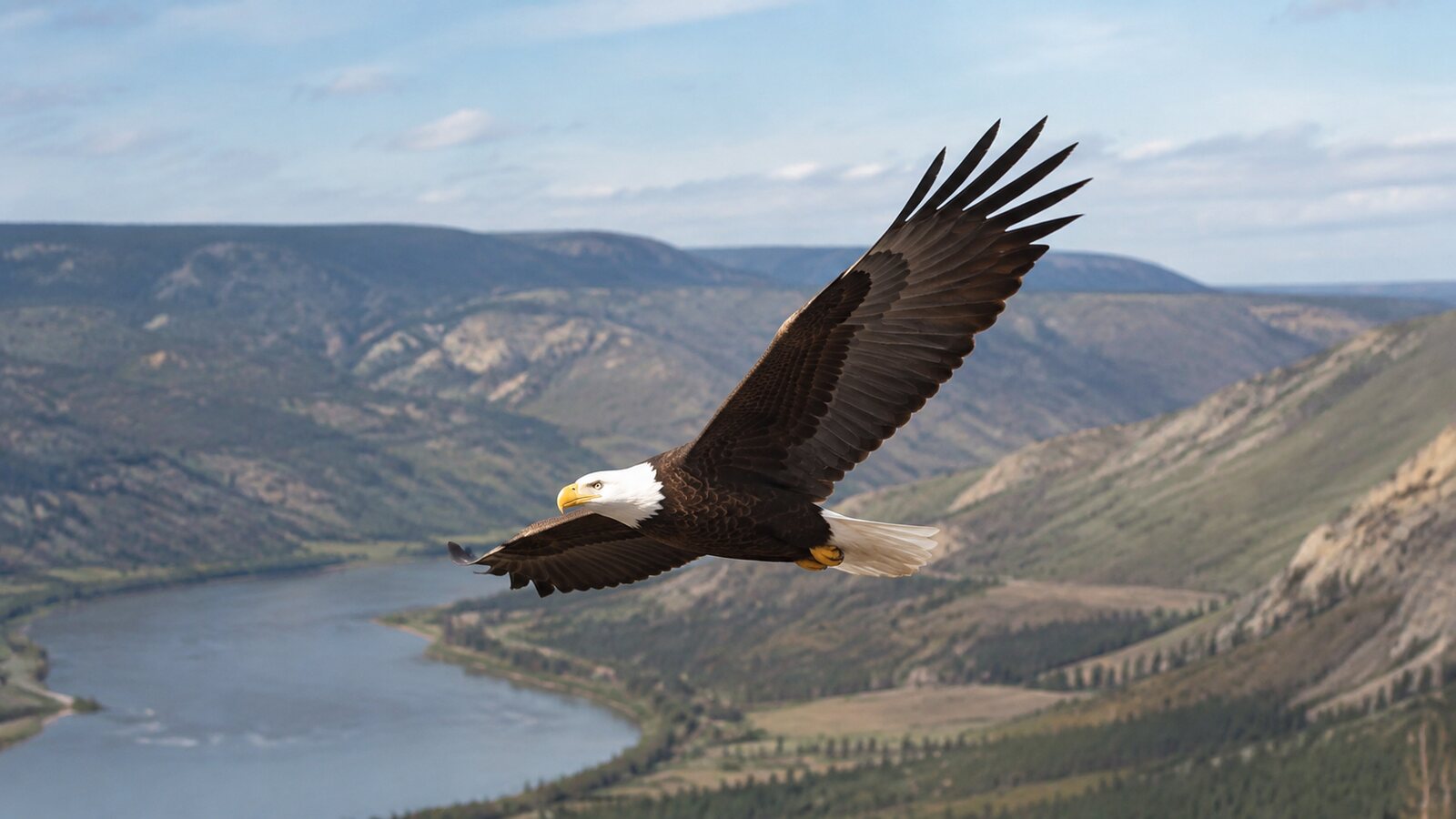
Primary feathers are the long feathers attached to the outer wing and hand. They help generate thrust during flapping and give the bird fine control over the wingtip.
Large soaring birds often spread their primaries into visible slots. Those separated feather tips can reduce turbulent airflow and help the bird fly efficiently at slow speeds. A bird can also twist or narrow the outer wing during a turn.
What do secondary feathers do?
Secondary feathers attach along the forearm and form much of the inner wing surface. They contribute strongly to lift.
When a bird glides, the secondaries help make the smooth surface that holds it in the air. Their size and number vary because a duck, eagle, woodpecker, and hummingbird solve different flight problems.
What are wing coverts?
Coverts are smaller feathers that overlap the bases of the flight feathers. They smooth the wing surface and help air move cleanly across it.
They also create many of the wing bars, panels, and patches used in identification. That makes wing anatomy useful even when the bird is perched. The color and field-mark guide explains how to record those patterns.
How does flapping produce thrust?
During the downstroke, a bird moves a broad wing through the air and directs air down and back. This helps create both upward lift and forward thrust.
During the upstroke, many birds partly fold or rotate the wing to reduce drag. The exact motion changes with speed and species. Hummingbirds are unusual because their rotating wings can produce useful lift through much of both halves of the stroke.
How do birds glide without flapping?
A bird can trade height for forward motion while its spread wings continue to create lift. Soaring birds go a step farther by using rising air to regain or maintain height.
Broad-winged birds such as the Red-tailed Hawk and Bald Eagle often ride thermals, while birds near ridges can use air pushed upward by the land. Long narrow wings suit other kinds of efficient gliding, including travel over open water.
Why do birds have different wing shapes?
Wing shape reflects how and where a bird flies. Short rounded wings can support quick takeoffs and tight turns in woods. Long pointed wings suit speed and sustained travel. Broad slotted wings work well for slower soaring and heavy bodies.
No wing is best at everything. A shape that saves energy on a long journey may be less useful for darting between branches.
How do wing feathers stay usable?
Feathers wear, split, and become dirty. Birds preen their feathers to clean and realign them, and they molt to replace worn feathers.
Most birds replace flight feathers in a sequence that lets them keep flying. Some waterfowl replace many wing feathers together and become temporarily flightless.
How do wings help a bird turn and land?
A bird can change the shape, angle, and motion of one wing differently from the other. That changes lift and drag from side to side, causing the body to bank or turn.
For landing, the bird spreads and angles its wings to slow down, then uses its tail and feet to finish the approach. Read how birds steer while flying for the full control story.
Frequently asked questions
What are the main parts of a bird wing?
A bird wing contains arm, wrist, and hand bones, flight muscles, primary and secondary flight feathers, smaller coverts, and an alula near the front edge.
What do primary feathers do?
Primary feathers form the outer wing. They are important for thrust, steering, and fine control, especially during flapping flight.
What do secondary feathers do?
Secondary feathers form much of the inner wing surface and contribute strongly to lift.
Can a bird fly with missing wing feathers?
A bird may still fly with a few missing feathers, but losing several important flight feathers can reduce lift, speed, balance, and control until they regrow.
Follow the parts of flight
Continue with steering and braking in flight, the jobs of a bird's tail, bird bone structure, or how birds breathe.